The art of desert warfare
Dune: The Storyboards is now funding on Kickstarter
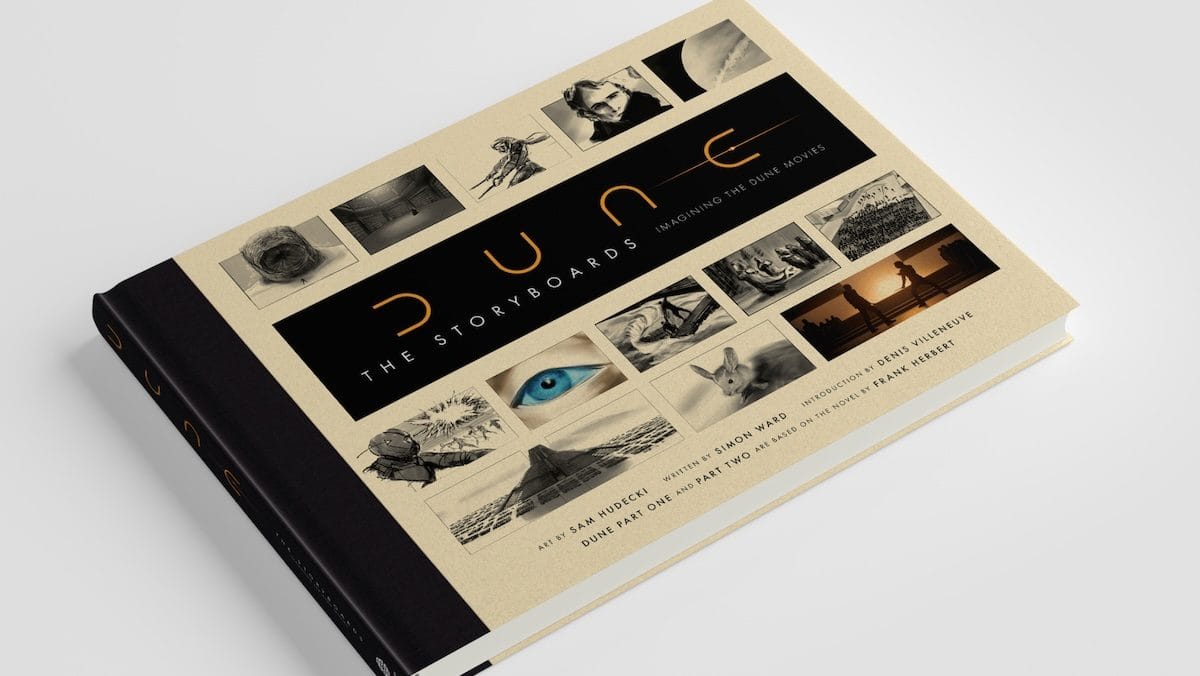
I love Denis Villeneuve's two Dune films. I not only found them to be a solid adaptation of Frank Herbert's novel, but they're gorgeous to behold, from sweeping shots of Arrakis's deserts to the elegant and alien designs of the spaceships, it's clear that he and his team have put a lot of effort into designing the world in which they've set their films.
Already, we've had some good looks into how they've done this: The Art and Soul of Dune and The Art and Soul of Dune: Part Two each provides some outstanding insights into each film's production and design, while Dune Part One: The Photography and Dune Part Two: The Photography gives us a glimpse into the filming for each installment. Now, there's another book that's coming that'll give us even more insights into how the film came together: Dune: The Storyboards - Imagining the Dune Movies, which is now funding on Kickstarter.
This art book pulls together the concept art from not only the first two Dune films, but the upcoming adaptation of Dune: Messiah. The art comes from artist Sam Hudecki, and it'll be written by Simon Ward, who's written some other excellent books about film, including one of my favorites, Making Moon: A British Sci-Fi Cult Classic.
This is a Kickstarter, so there are a bunch of tiers with different rewards. The base is a digital edition for $39, which includes a PDF of the final product, while $75 will get you the hardcover and digital editions. After that, there's a retailer tier (5 copies for $188) and a limited portfolio edition at $199, which comes as a deluxe cloth-bound hardcover, a special case, signed cards, and some other perks. The project is currently being funded on Kickstarter, and it's blown past its initial $25,000 funding goal.
Here's the kicker: it won't be released until 2027, after Dune: Part Three comes out – tentatively December 18th, 2026.
I'm eager to take a look at this, because concept art is such a fascinating thing to look at: it's a window into a film's creative process, bridging the gap between the words on the page and the final product that you see on the screen. It should give us a good idea of how Villeneuve set about translating Herbert's epic novel into the films that we eventually got.