A long out-of-print Octavia Butler novel is coming back
The author famously prevented Survivor from being reprinted
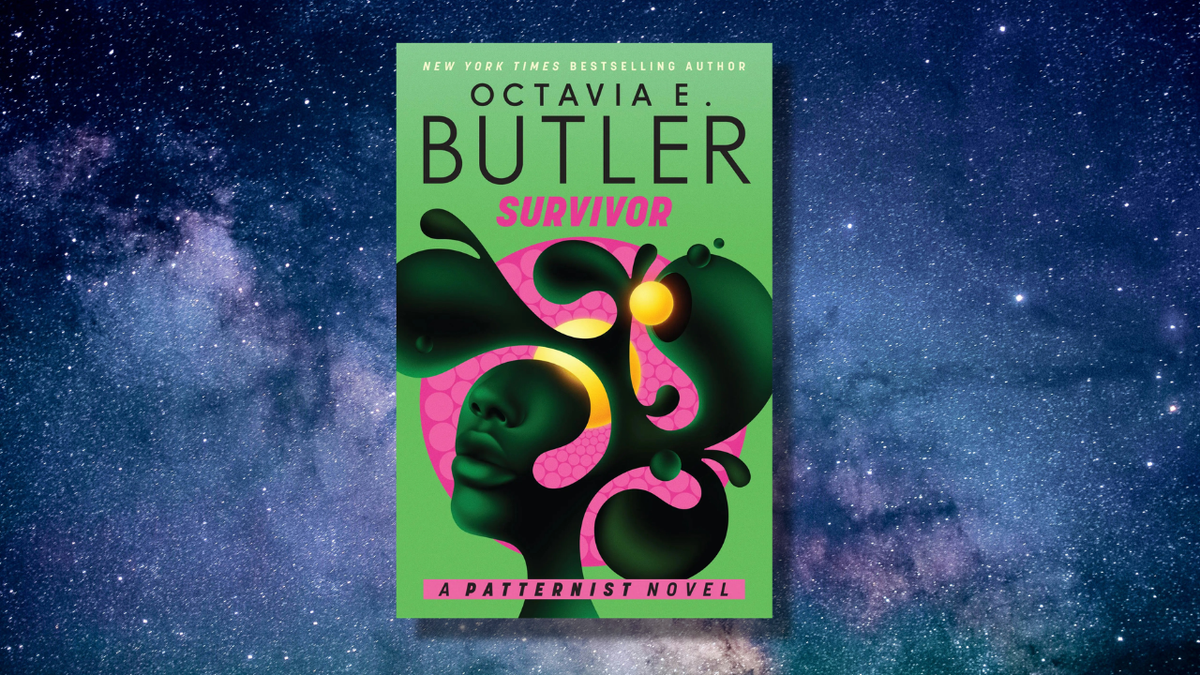
For years, Octavia E. Butler prevented one of her novels from being republished, Survivor. According to The L.A. Times, Hachette's Grand Central Publishing will release a new edition of the novel this September, featuring a foreword by Dr. Alyssa Collins, assistant professor of gender and women’s studies at Cal State Northridge and the first Octavia E. Butler Fellow from the Huntington Library.
This edition will also include Butler's short story "A Necessary Being," which she originally wrote for Harlan Ellison's anthology The Last Dangerous Visions, and which was never published in her lifetime.
Survivor is part of Butler's five-book Patternist series, which she began publishing in 1976 with Patternmaster. That novel was set in the distant future, about telepath who's fighting for a position of power in his society. Published in 1978, Survivor is set centuries before Patternmaster (and after Wild Seed, Clay's Ark, and Mind of My Mind), following a woman named Alanna, a colonist who leaves a damaged Earth and arrives on a planet inhabited by the Kohn, where she finds herself swept up in their internal conflicts.
 Andrew Liptak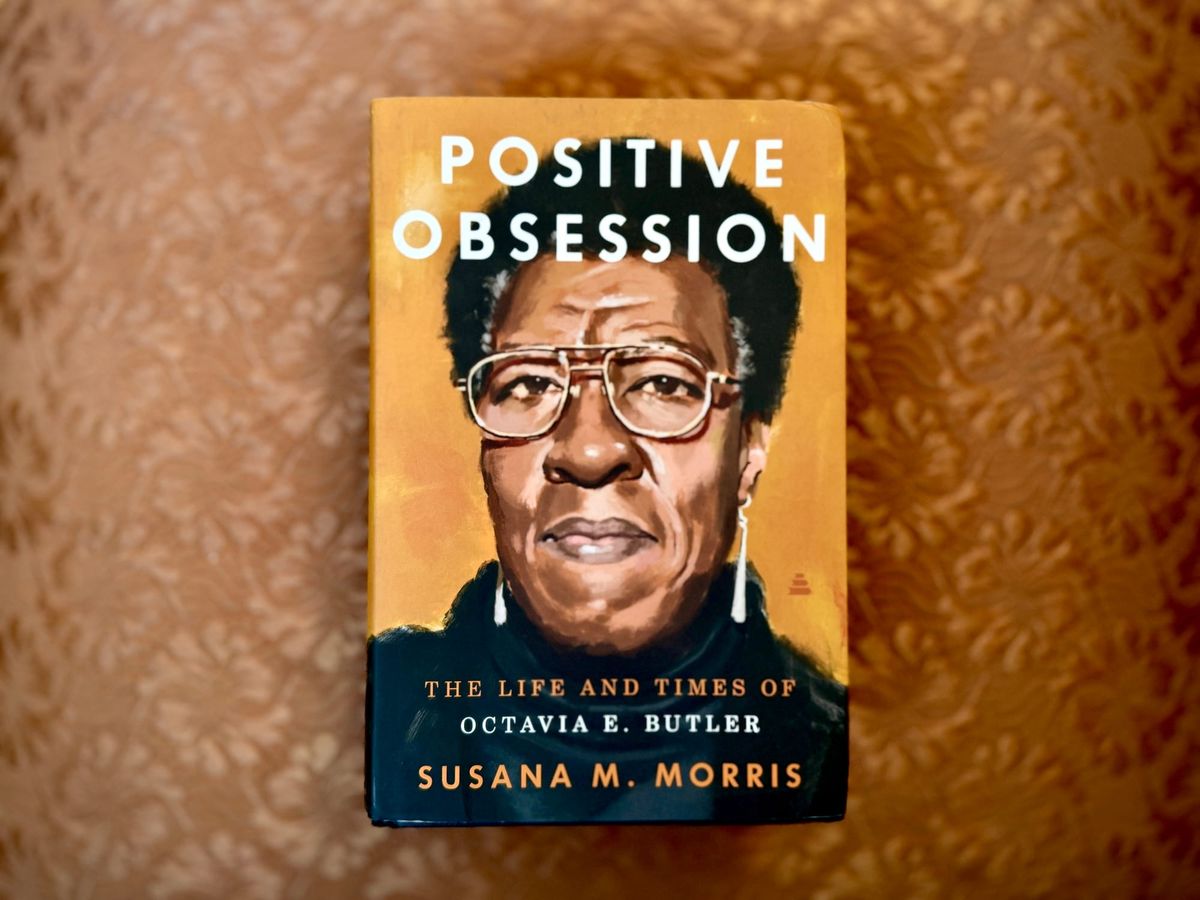
Writing in her (excellent) biography Positive Obsession: The Life and Times of Octavia E. Butler, Susana M. Morris notes that the series "explore the dualistic nature of humankind: our adaptability and our penchant for hierarchy," and that it reflected her "deep-seated concerns about what America's imperialistic designs both on Earth and in space symbolized for the future of humanity and what lessons marginalized groups – such as Black people in the United States – have learned from their oppressors."
Morris notes that Butler "singularly loathed" Survivor, explaining that she essentially wrote it because she received a decent advance for it at a time when she was fighting to make a living as a full time writer, figuring that she'd take the money and work on her next book, Kindred. "Octavia would regret this compromise for the rest of her career," Morris writes. "She felt that the novel was rushed and did not substantively add to the Patternist saga."
In an interview with Amazon.com in 2000, she explained why she disliked it:
When I was young, a lot of people wrote about going to another world and finding either little green men or little brown men, and they were always less in some way. They were a little sly, or a little like "the natives" in a very bad, old movie. And I thought, "No way. Apart from all these human beings populating the galaxy, this is really offensive garbage." People ask me why I don't like Survivor, my third novel. And it's because it feels a little bit like that. Some humans go up to another world, and immediately begin mating with the aliens and having children with them. I think of it as my Star Trek novel.
The book was only in print for a short while: Butler prevented it from being reprinted after its initial run and encouraged people not to read it.
In his book Octavia E. Butler, Gerry Canavan wrote that "Survivor's story is not nearly as bad as Butler felt it was, though perhaps some would still agree it is one of her lesser works." While the story wasn't to her liking – mainly a central conceit, "beings who evolved on different planets would be able to have children together, was embarrassingly naive," he felt that it was due "for reprinting and a reconsideration."
Republishing Survivor is sure to be a controversial move, given Butler's attitude towards it. Speaking with The LA Times, Collins said that she was apprehensive about being involved with this new edition, but also felt that she understood where Butler was coming from: "On the one hand, I knew that Butler wasn’t a huge fan of [‘Survivor’] and just let it lapse. On the other hand, I knew she was incredibly critical of her own work.”
Grand Central Publishing's VP and publisher, Nana K. Twumasi, says that while Butler has been increasingly rediscovered in recent years, reprinting it is "far more about wanting to have a piece of this person that we all respect and want to get her due.”
The article notes that in her introduction, Collins explains that the book is a useful way to look at Butler's development as a writer; it holds clues for her thinking ahead of the novels that followed: "a reader can see the initial shapes of long connective themes and arguments that Butler develops across her works around humanity, alienness, hybridity and the potential futures that arise when we cede its imagining to Black women."
I'm of two minds here. On one hand, a new edition of the novel would do what Collins says: provide a critical window into Butler's body of work to a much wider audience. On the other, Butler pretty equivocally said that she didn't like the book and asked people not to read it. She strikes me as the type of person who's well aware of the issues with the book and doesn't want it represented in her body of work.
This isn't a new phenomenon: there are plenty of examples of an author's estate publishing a novel after one's death, sometimes without clear guidance or by ignoring said author's wishes. Brian Herbert and Kevin J. Anderson have continued Frank Herbert's Dune series with numerous installments, while J.R.R. Tolkien's Silmarillion was left unfinished after his death, which his son Christopher completed and published in 1977. The question of authorial intention and consent is sticky when it comes to unfinished works: should a work that wasn't finished be put before an audience?
But: whether or not Butler loathed Survivor, I don't think there's any equivocation here: she did publish it, whether or not she was happy with the final product. It might have been underbaked, but she did take her advance to spend it on research for Kindred, and she worked through her edits with her editor and saw it to publication.
Once you put a book out into the public for consumption, it's out there. You can still find copies floating around out there, provided you're willing to shell out hundreds of dollars for one, or find one in a library collection. Hell, you can read a copy over on the Internet Archive. While Butler wasn't proud of the book and she had plenty of pressing issues around the time she published it, she wasn't without agency here and ultimately, this is something that you can't really have both ways: taking it back when you realize you've published something that's not your best work.
I think that's a useful lesson as Butler's star has risen: for all the talk about how prophetic her view of the future was, she's human like the rest of us. We can't all write bangers and bat a perfect game. Sometimes, you publish something you aren't terribly proud of.
That said, let's be realistic about this. For all the "[wanting] to get her due": this publication feels opportunistic as hell. While it appears that Collins will use her introduction to place a lot of context around this book and where it sits alongside Butler's other novels, that's an academic exercise and Grand Central Publishing is a mass market press. People are going to buy this because they read Parable of the Sower and the novelty of Survivor being the first "new" Butler book in nearly half a century is just too enticing to pass up.