A watertight seal
A look at the work that goes into a historic building
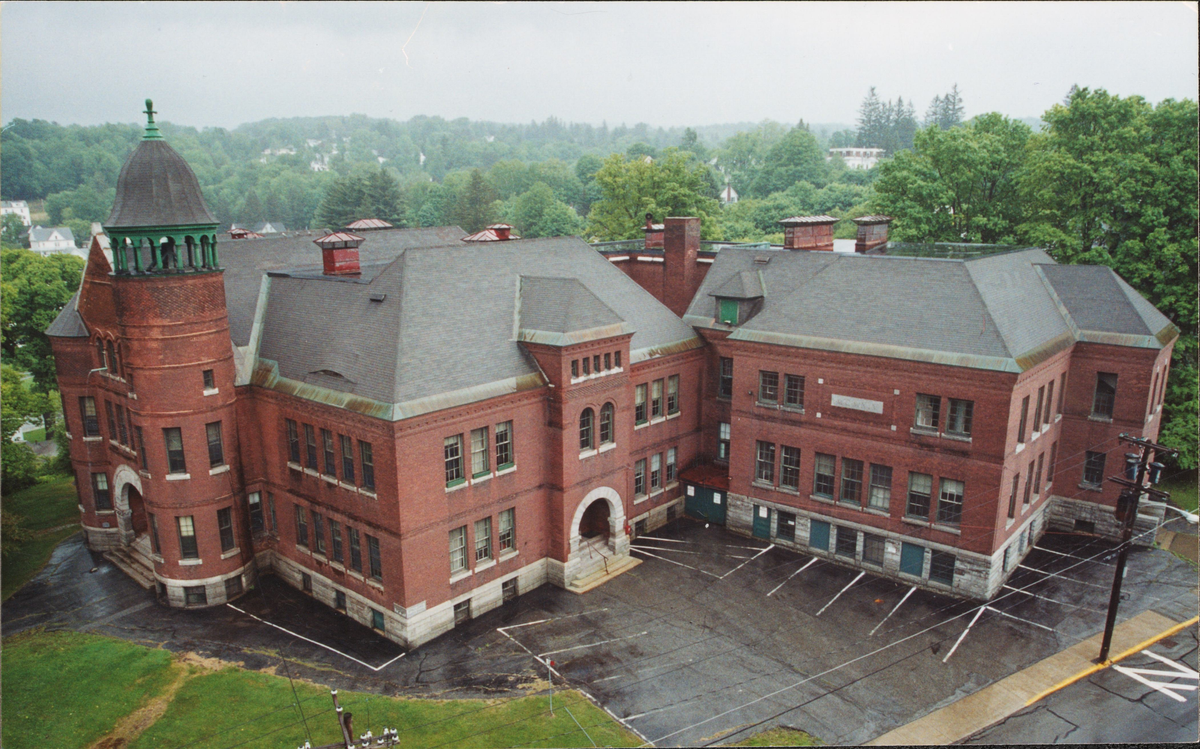
Earlier this fall, the Vermont Historical Society embarked on a large project at the Vermont History Center in Barre: addressing a host of long-standing issues facing the historic Spaulding School Building in an effort to preserve not only our artifact and library collections, but the structure itself. This work will help ensure that the building will remain a safe home for Vermont's treasures for years to come.
The Spaulding building has dominated Barre's skyline since it first opened in 1892. Designed by St. Johnsbury architect Lambert Packard, it was a testament to the state's commitment to education and designed to serve a community that was rapidly growing. Just over a decade later, the city expanded the building to accommodate the growing classes, and over the course of the 20th century, the school district eventually modernized its facilities, with its final class saying farewell in 1995. In 2000, a new chapter emerged as VHS purchased and renovated the building, turning it into the Vermont History Center.
133 years is a long time for any structure, and following the flooding and heavy rains that came in 2023 and 2024, it became clear that the building would need to undergo a new round of work to ensure that it would serve the next century. Any homeowner will tell you that water is not something you want coming into a building, and that with enough time, there are plenty of ways for it to work its way in: a leak in the roof or basement can degrade wood and concrete and if left untreated, moisture is a good environment for mold to grow, which can be detrimental to the delicate historic items we're working to preserve in our storage facilities. While those spaces are climate controlled with an HVAC system and dehumidifiers, keeping water from entering the building in the first place is a crucial step.
In September, workers from Hunger Valley Construction began work to start addressing the problem. They reglazed the windows on the front of the building – removing and replacing the existing cracked sealant around the glass panes to ensure a watertight seal, which would keep any water out, and any heat from leaking out.

In November, workers from Bread Loaf Construction began a more extensive series of projects. During the heavy rains in 2023 and 2024, the underground French drains were inundated with water and sediment and broke. Water moves along the path of least resistance, and when it couldn't empty out into the city's drainage systems, it found another route: through the foundation and into the building. The first step was to get the groundwater away from the building, and to that end, they dug up the grounds and replaced the damaged drains.
From there, the workers excavated the front and the back of the building to expose the granite foundation. They installed waterproof sheeting directly onto the stone, which creates a watertight barrier. After that, they covered the space with crushed stone and topsoil, which will direct any precipitation away from the building, into the drainage systems, and away from the building.
Where that phase will keep water from entering the building from the ground, the next two phases of the project will ensure that water isn't coming in from above. The first will address the roof, with workers fixing damaged and degraded plywood, shingles, and drains, not only creating a better seal against rainwater and melting snow, but also allowing that water to flow off and away from the building.

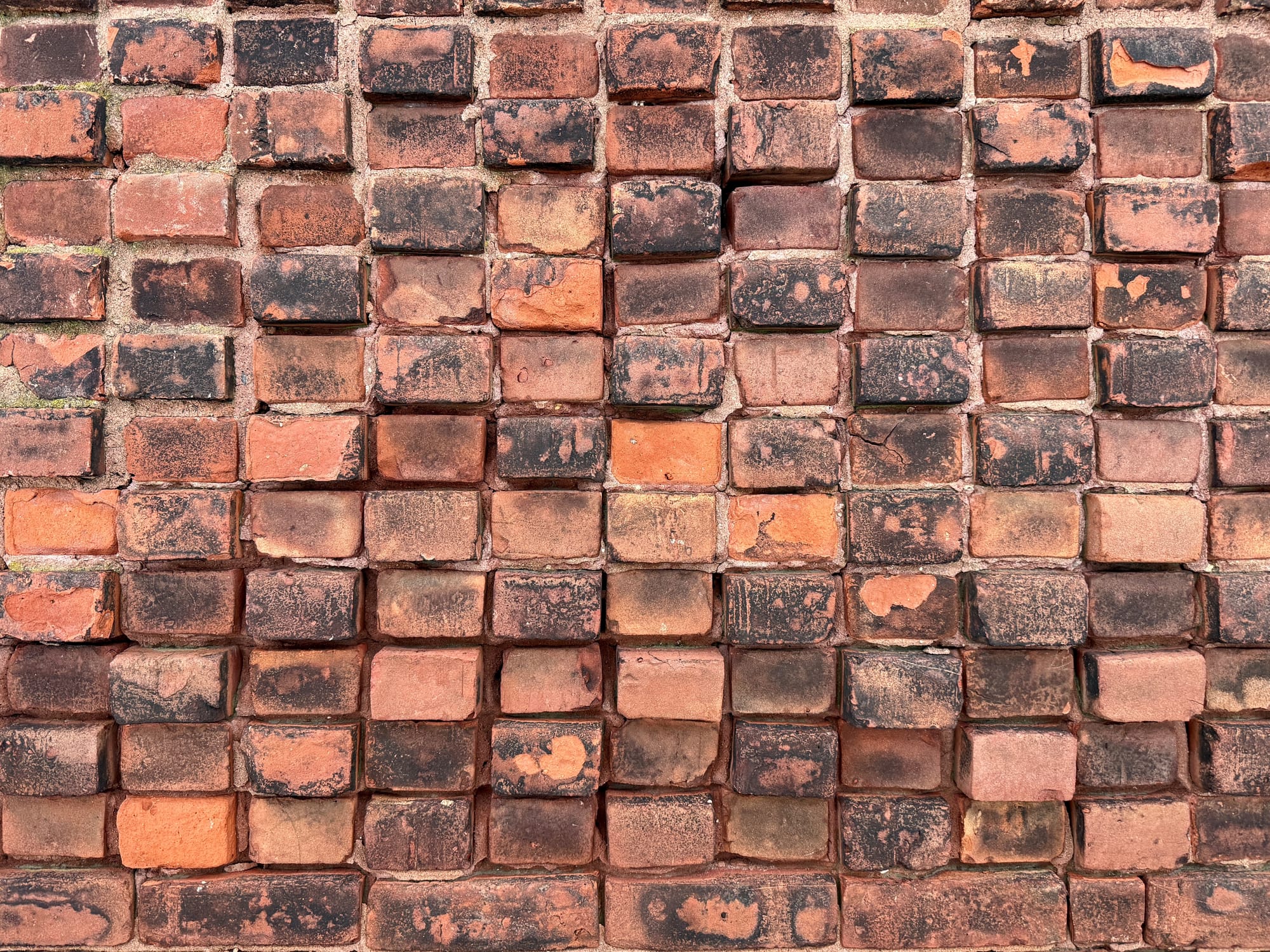
The final phase will address the building's exterior brickwork. While it looks as though it's made entirely of brick, the building is actually a timber-framed building that's cladded with brick: pull one of the thousands of red-orange bricks out, and you'll see the interior wooden structure.
When they were first installed, those bricks kept out the elements, but Vermont's weather can be brutal. As the temperature swings up and down between the summer and winters seasons, the wind, rain, snow, ice and salt all take their toll on the bricks and the mortar holding them together. With enough time – 133 year's worth – the brick and mortar has steadily degraded, thanks to dripping water and the freeze and thaw of the ice.
The building's custodians addressed the state of the exterior throughout its life – to a point. While the lower levels have been tended to over the years with repairs here and there, the upper levels were harder to reach. As VHS inspected the brickwork in the upper stories, it became clear that the weather had taken its toll on the bricks and mortar, leaving behind gaps and holes that allowed water to enter the building and fall down into the interior.

In January, workers will address the gaps and erosion through a process called repointing: pulling out the degraded mortar and replacing it with new jointing material, while any bricks that have crumbled will be replaced. Once completed, the front facade of the building will be sealed against the elements.
These projects aren't the end of the work that will need to be done: there are other sections of the walls, roof, bricks, and windows that will need to be addressed in time, but collectively, these three projects will go a long way towards ensuring that those affected sections of the basement, walls, and roof will keep out their share of Vermont's weather, allowing us to keep to our mission to preserving Vermont's history for generations to come.