Instruments of Empire
James S.A. Corey's latest explores how empires reduce their subjects to tools
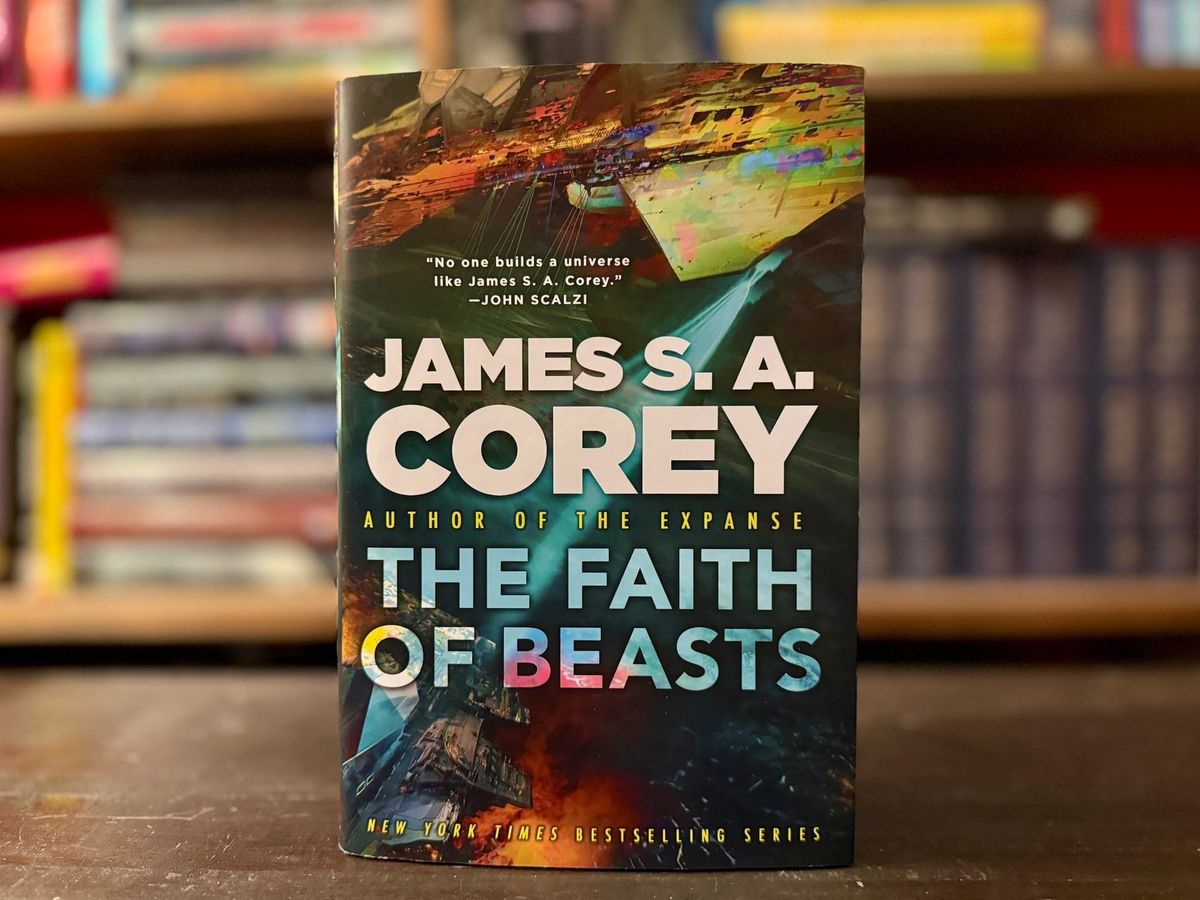
In their first post-Expanse project, James S.A. Corey released The Mercy of Gods in 2024, the first installment of a new space opera series called The Captive Wars. They shed the near-future setting of our home solar system in favor of something a little bigger, and a little stranger. Humanity – or some fragment of it – settled on a planet called Anjiin, where they've established themselves alongside the planet's native biosphere.
 Andrew Liptak
Everything changes when they detect a series of objects arriving from outside of their adoptive system, which turns out to be an invading force from an alien civilization known as the Carryx. The Anjiin's defenses are quickly overwhelmed: the Carryx eliminate an eighth of the population outright, and capture a sizable contingent of humanity's best and brightest, where they're tested alongside other captive species to see how useful they could be to the Carryx.
Through that process, we're introduced to Dafyd Alkhor, a research assistant who finds himself in one of the scattered groups of humans and who's diligently working to try and pass the various tests that the Carryx are throwing their way. As they work, Dafyd learns that his group is splintering: there's a small contingent that's actively working to sabotage their efforts and to try and muster the strength to strike against the aliens and their allies. From their initial invasion to their casual elimination of one of their rivals, Dafyd recognizes that the Carryx are not to be trifled with: they have an overwhelming amount of power at their disposal, and should humanity prove to be too difficult, their entire civilization will be wiped off the map. He turns in that rebelling faction, justifying his actions in the name of the greater good: humanity can't strike back if they're extinct.
For his efforts, Dafyd is elevated to be the singular point of contact between the upper echelons of the Carryx hierarchy and humanity, an uncomfortable position that singles him out as an unlikely leader for humanity, and a potential collaborator.
 Andrew Liptak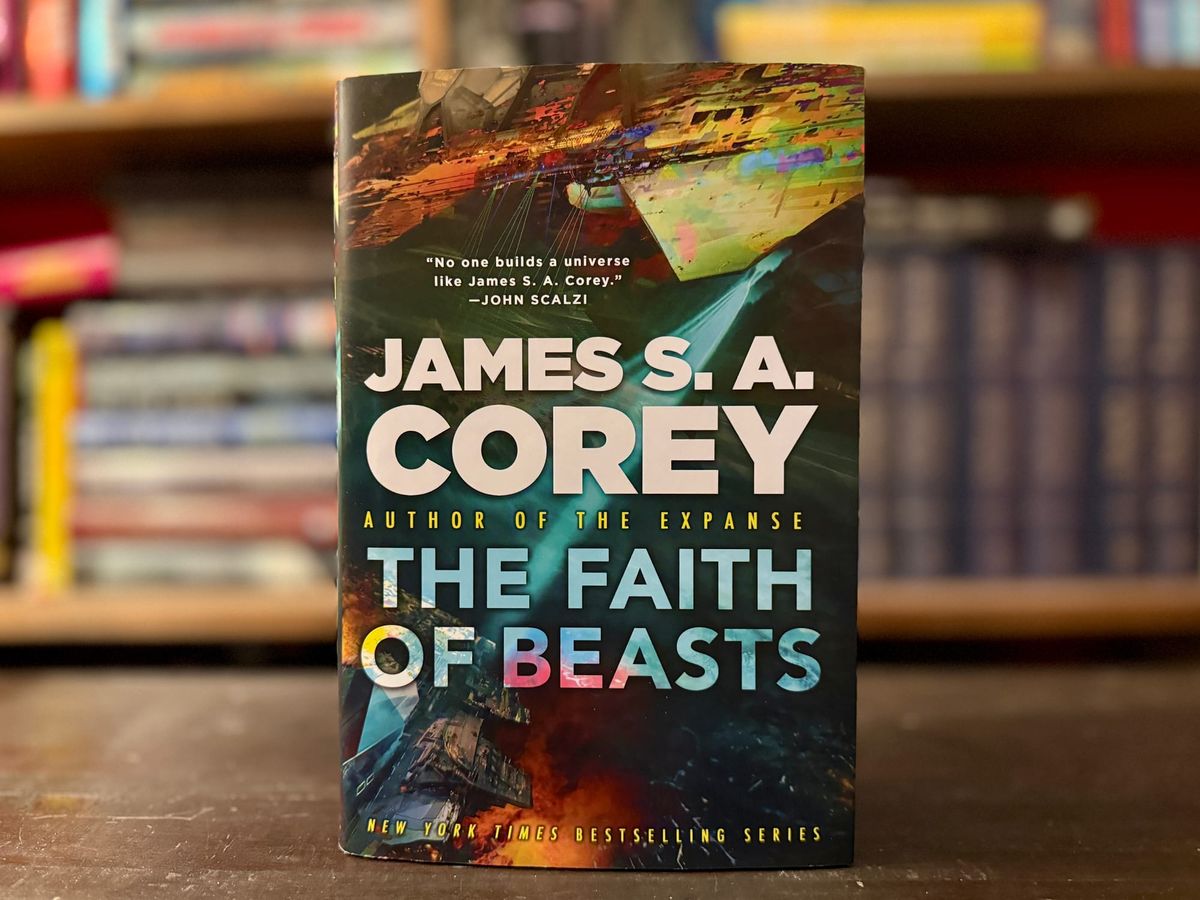
If the first book is about making difficult decisions in the name of survival, the next installment of the trilogy, The Faith of Beasts, is following through on that impulse. It's a difficult task; it's one thing to say that you'd like to sow the seeds of revolution, but it's another thing entirely to begin the work to set up the connections and resources to make it happen, especially when you're under constant scrutiny from the people who've enslaved you or by the others around you who might realize that selling you out is a good way to ensure their own survival. Humanity is caught in an elaborate prisoner's dilemma, and Dafyd has found himself in a place where he has to figure out who to trust in this system. Dafyd finds himself in an uncomfortable position. As humanity's' voice, he's responsible for channeling their directives to his new subjects, and has been working to protect them from extinction, while also trying to assemble the backbone of a plan to strike back at them. His goal is to bring humanity to a place where they're important and indispensable, then strike.
Throughout all of their books, Corey has explored the roles that power plays in these types of systems. In The Expanse series, humanity is fractured between various political systems with deep-seated interests and lingering grudges that results in enough friction to ignite conflicts between Earth, Mars, and the Outer Belt, and eventually, the establishment of the totalitarian Laconian Empire, which sought to use its technological advances to rule and guide humanity.
In The Captive Wars, Corey has once again subjugated humanity. The Carryx are finding humanity useful as they put them to use evaluating recently-conquered worlds or damaged starships. Empires – real and fake – are bad. A conquering nation might bring scientific and technological advances to their subjects, but in exchange, those subjects become disposable. Humans are cannon fodder for the Carryx's wars and extra hands for doing the dangerous and dirty work that comes after, and as we learn more about the alien's war against their unknowable enemy, we realize that humanity might survive, but only as mere tools. We watch as Dafyd and his companions figure out how to develop systems for growing new people and figuring out and grappling with the challenges of raising a new generation that'll never know anything but rule by their new overlords.
But there opportunities for resistance. Dafyd directs his allies to undertake a series of small tasks that he hopes will undermine the Carryx's rule: stories and songs that support a message of freedom and escape, burrowing a yearning and sense of independence that can motivate future generations. And humans aren't the only useful servants of the Carryx: he begins speaking with the Soft Lothark, another captive alien species, and finds that they could – slowly – potentially become partners against their subjugators.
We'll have to see how these various threads resolve in the next (as of yet untitled) installment of the trilogy, but the seeds are planted for humanity's uprising: it'll be interesting to see what form that takes and how humanity copes with the transformations they've been forced to undergo.